
What to see in Viterbo and Tuscia
Home » Itineraries
Discover Viterbo and Tuscia through places rich in history, tradition, and beauty. From medieval villages to spas, from local flavors to major city events, each itinerary is an invitation to experience the region during your stay.
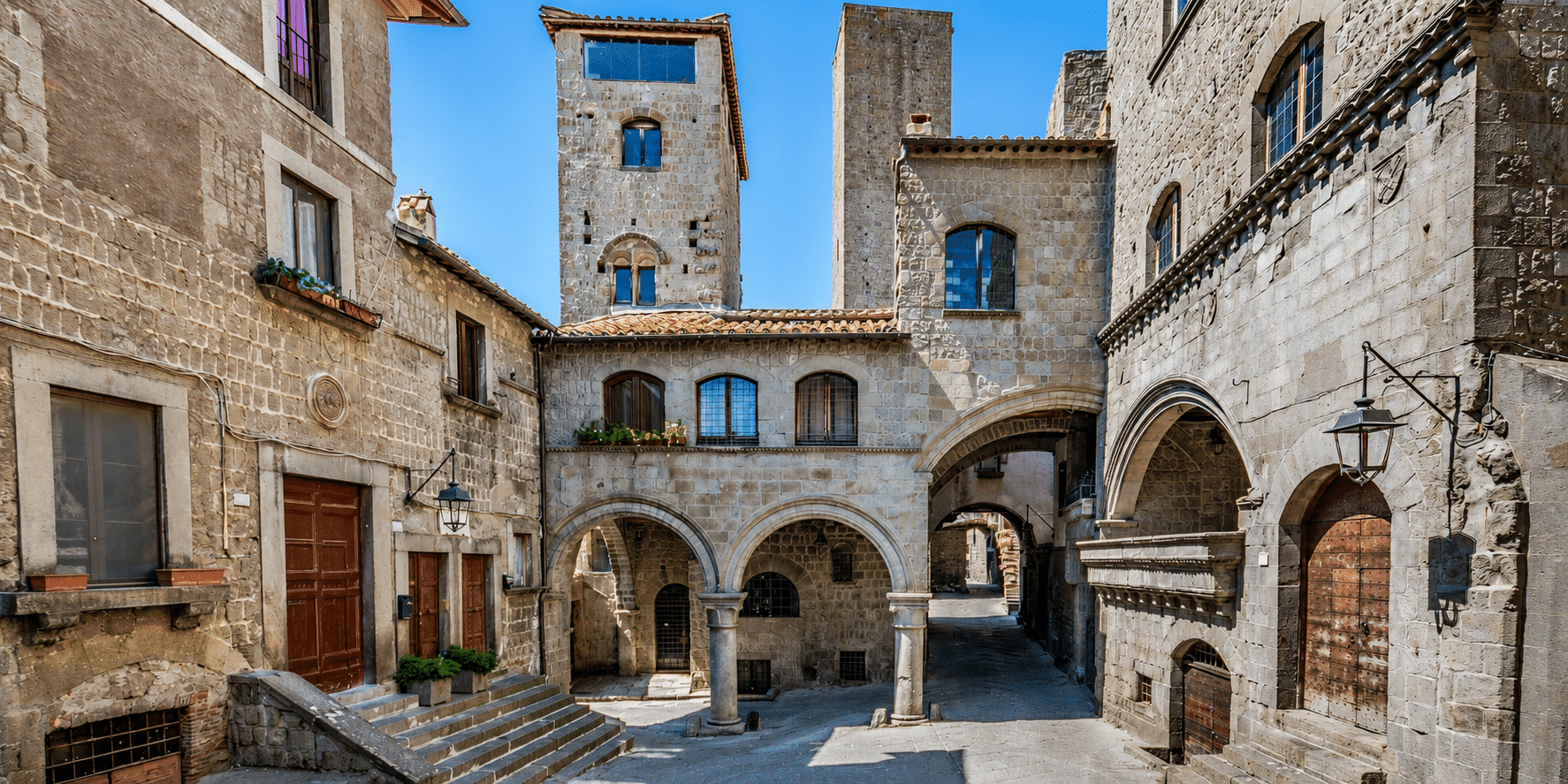
MEDIEVAL HEART OF VITERBO
Saint Pellegrino
The San Pellegrino neighborhood is one of Viterbo's most charming corners and is one of the largest and best-preserved medieval villages in Europe. Strolling through its streets is like entering a place where time seems to have stood still, amid stone houses, arches, towers, profferli, and squares brimming with ancient charm.
With its authentic atmosphere and largely intact urban layout, San Pellegrino reflects the city's historic soul. It's a must-see for anyone wishing to discover Viterbo through its medieval architecture, its tranquil views, and the beauty of the details preserved in the historic center.
UNESCO TRADITION
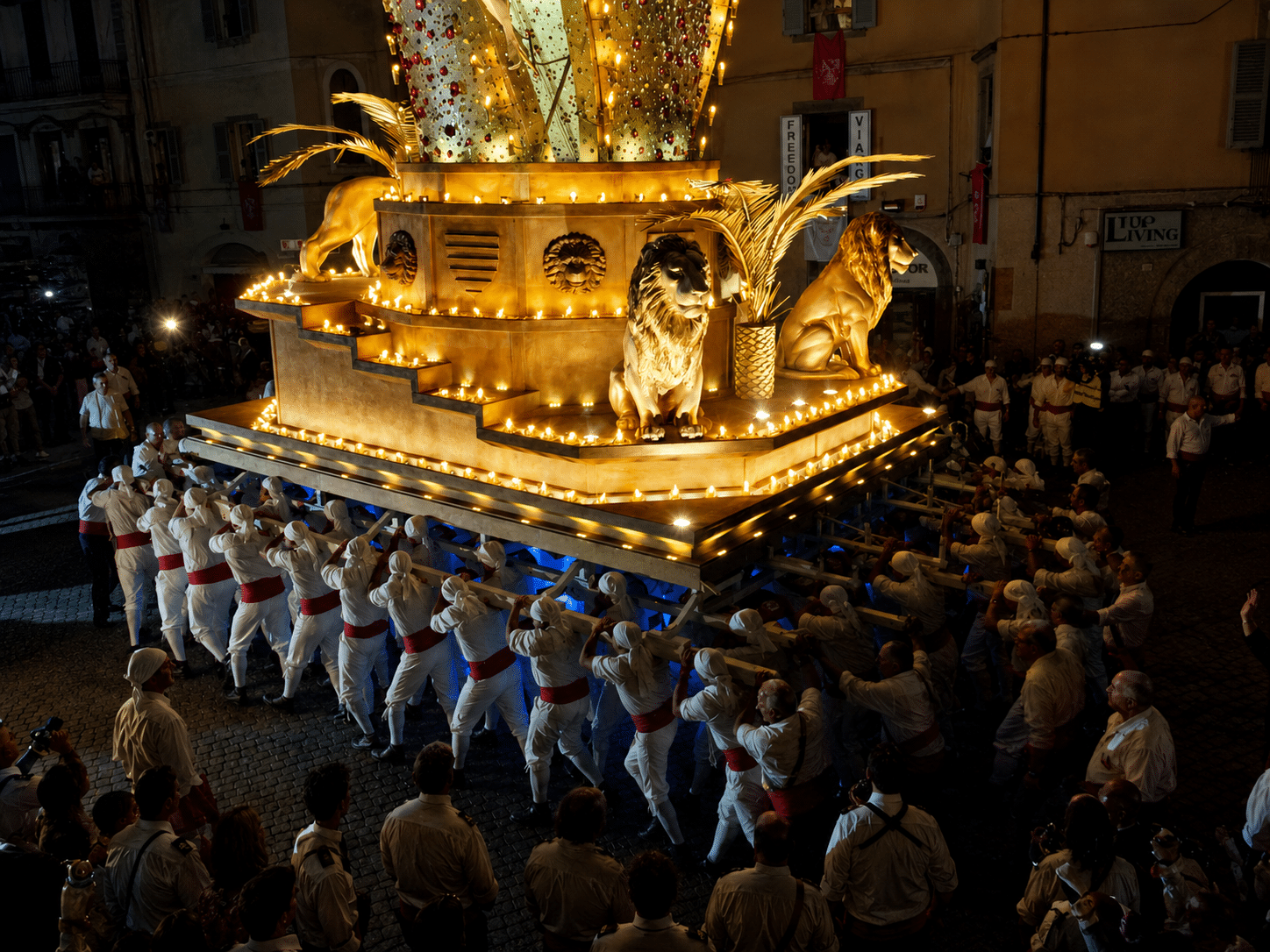
The renowned Santa Rosa Machine
Every September 3rd, Viterbo lights up for the Transport of the Macchina di Santa Rosa, a unique event in which the imposing structure is carried on the shoulders of porters through the streets of the historic center. Between faith, emotion, and great popular participation, the city celebrates one of its most cherished traditions, recognized by UNESCO as an intangible cultural heritage of humanity.
WELLNESS IN VITERBO
The Thermal Tuscia
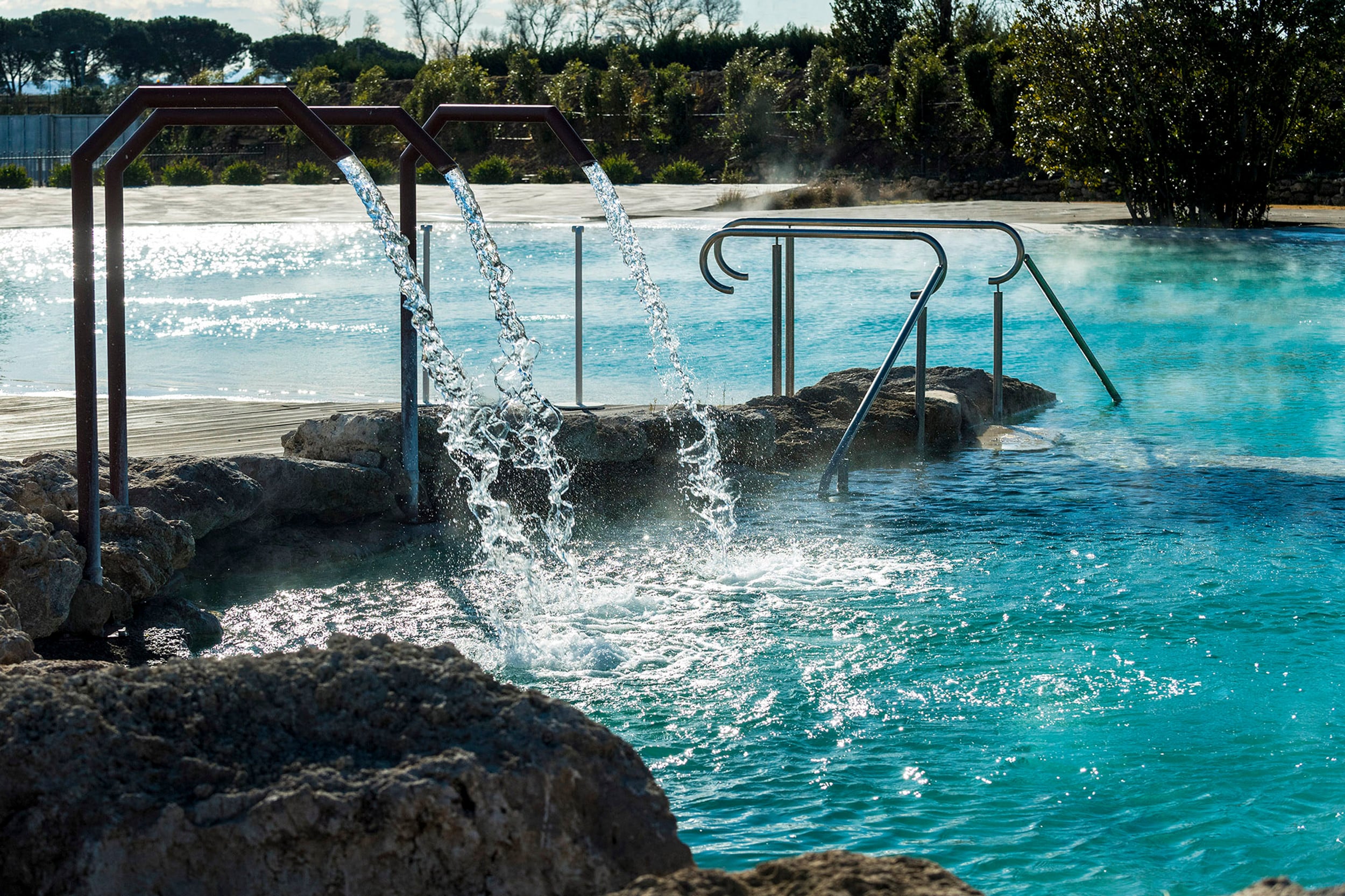
Viterbo is located in the heart of a region naturally suited to wellness. Sulfur springs, outdoor pools, and thermal parks dot the landscape, transforming Tuscia into a veritable destination for relaxation and self-care.
Just minutes from the city, the Tuscia Terme Thermal Park welcomes visitors with pools fed by a natural spring and surrounded by greenery. Nearby, the Bagnaccio, Bullicame, and Piscine Carletti springs bear witness to Viterbo's ancient spa tradition, while a more extensive itinerary can continue to the Terme di Vulci and Saturnia.
TASTE AND TRADITION
The flavors of Viterbo
Viterbo cuisine showcases the region through simple, authentic ingredients: extra virgin olive oil, vegetables, legumes, grains, aromatic herbs, and traditional peasant produce.
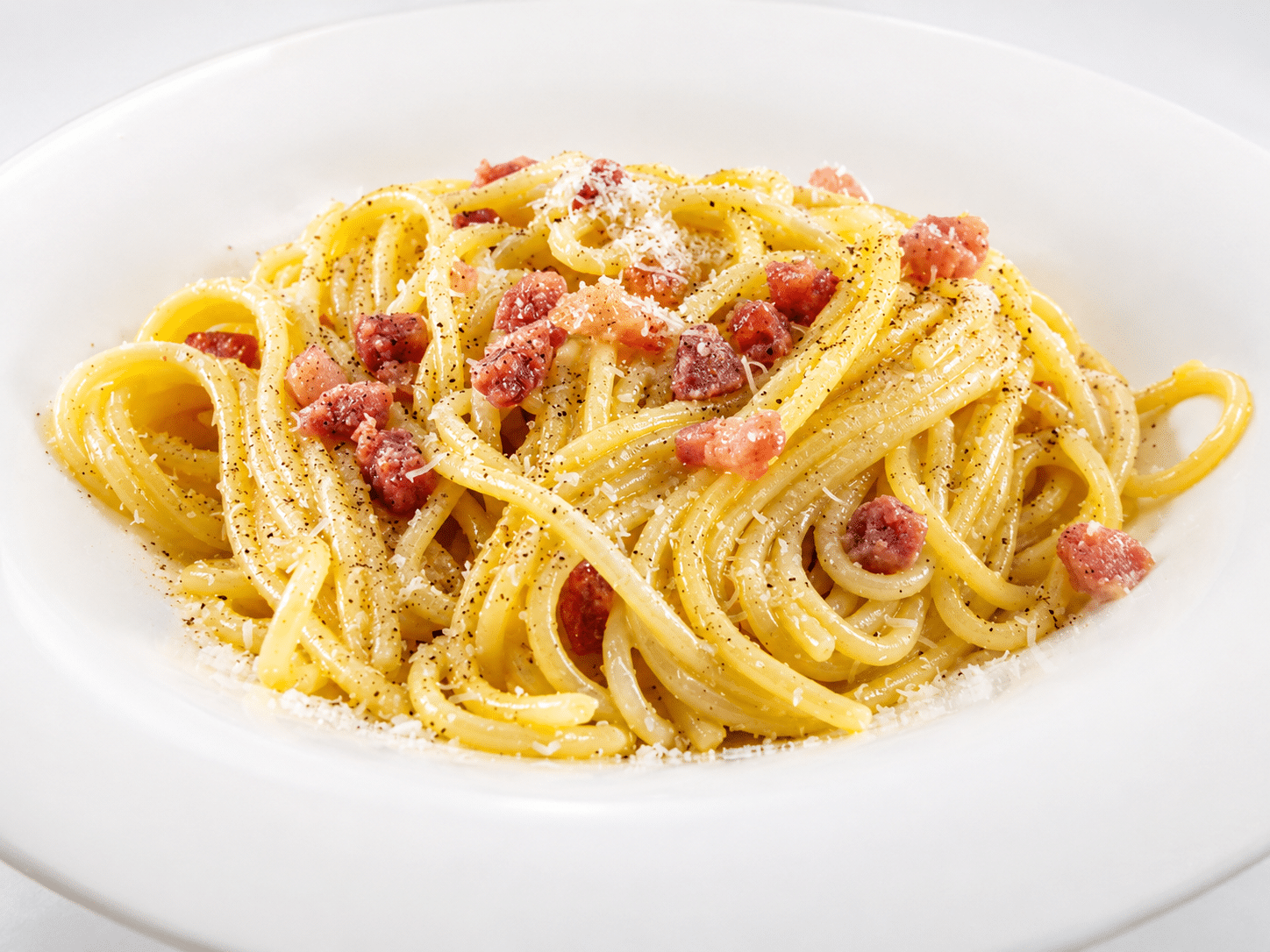
From bruschetta to crostini, from typical soups such as acquacotta and scafata, to lombrichelli, pappardelle with hare, grilled meats and wild boar, each dish preserves the most characteristic aromas and flavours of Tuscia.
A perfect gastronomic itinerary to discover Viterbo, including at the table, with popular recipes, local products, and dishes steeped in history.
our history
Archaeology in Tuscia
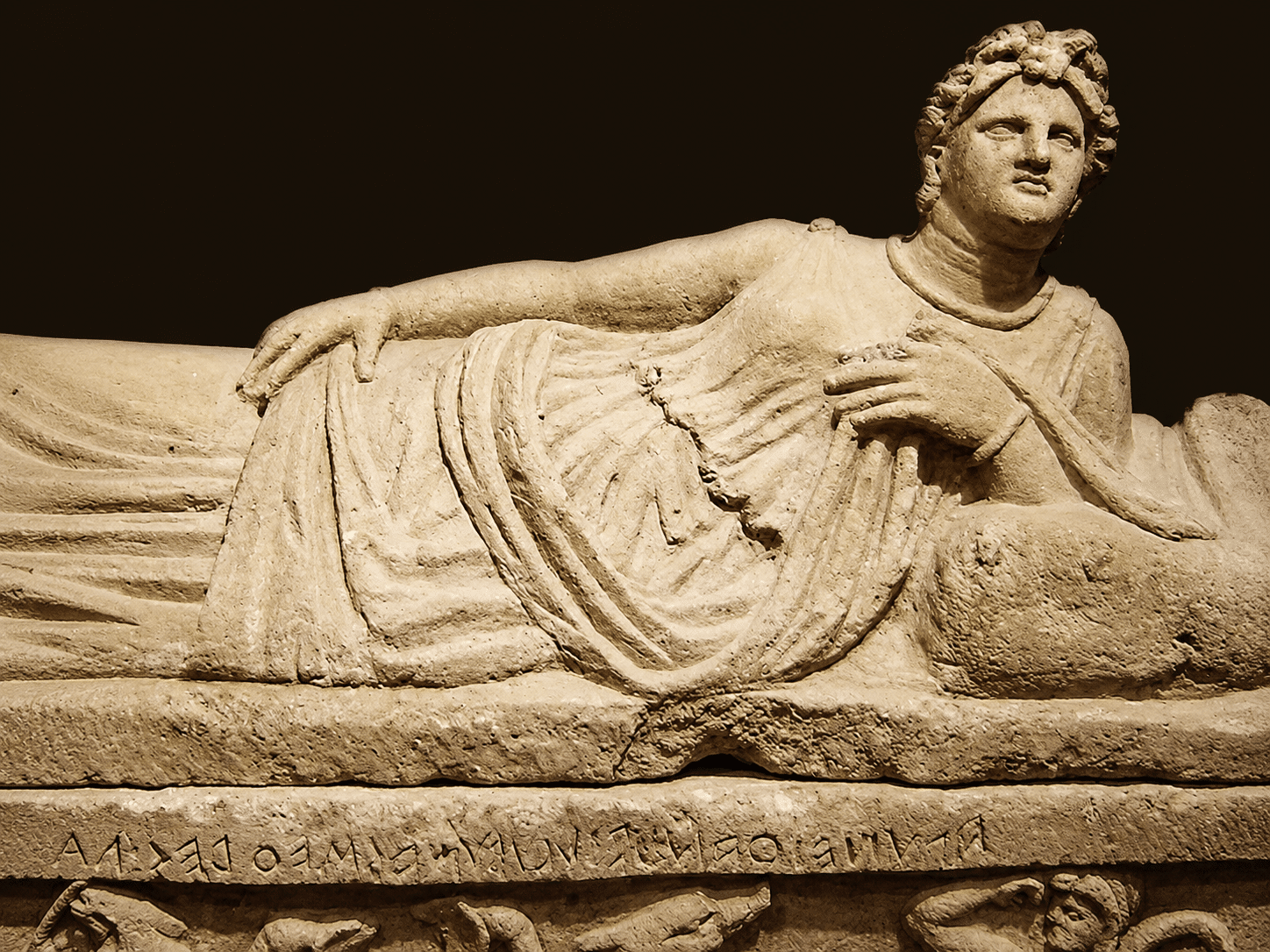
Tuscia is a region rich in archaeological remains, where Etruscan and Roman history have left traces that can still be visited today. Tarquinia is famous for its necropolis and frescoed tombs, depicting scenes of banquets, dances, hunting, and daily life.
Among the most interesting destinations are Tuscania, Vulci, Blera, Barbarano Romano, Norchia, and Castel d'Asso, with necropolises, sarcophagi, artifacts, and tombs carved into the tuff rock. Near Viterbo, you can also discover Roman ruins and ancient historical sites such as Faleri Novi.
ART, GARDENS AND HISTORIC HOMES
Villas and Castles of Tuscia
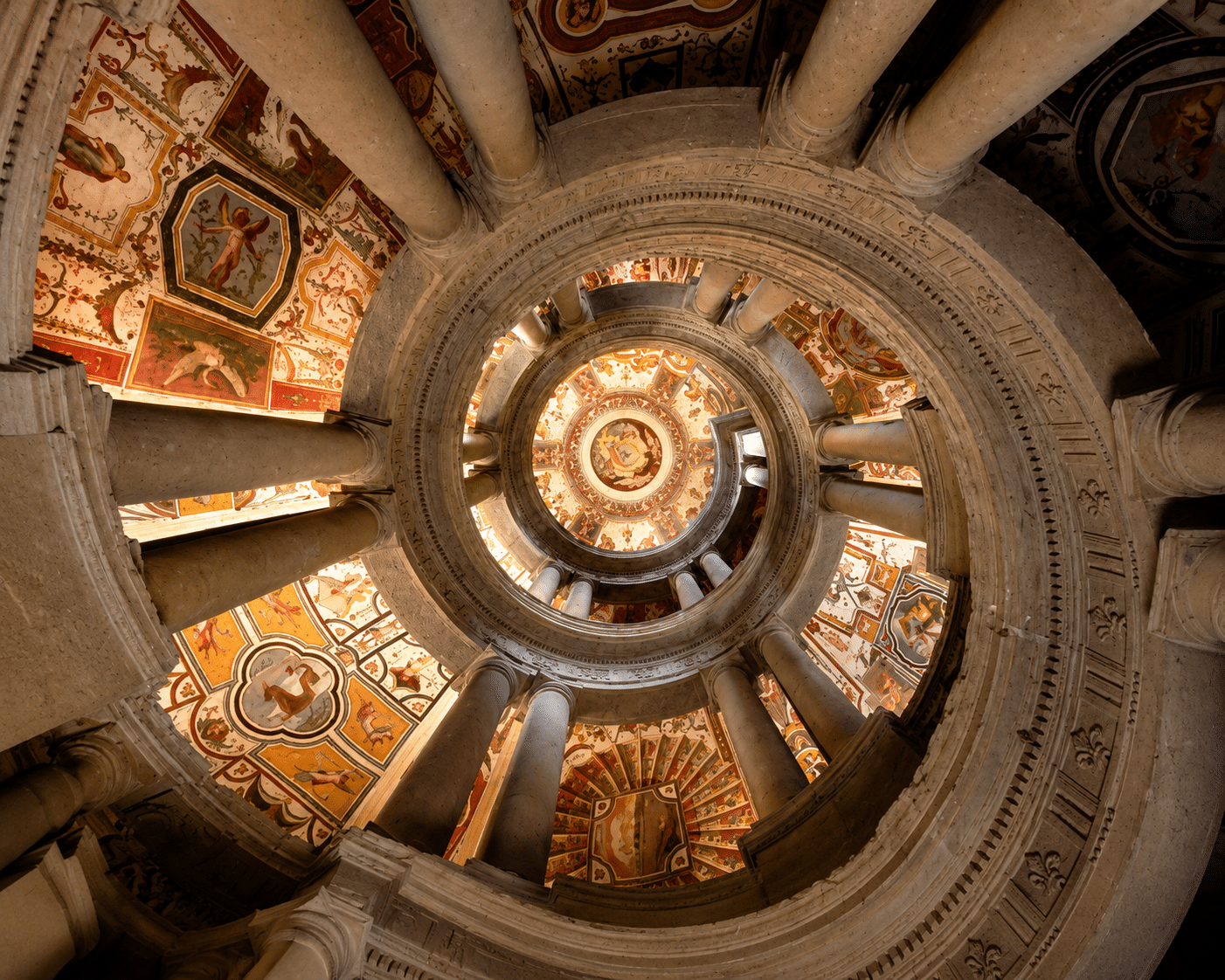
Tuscia is home to some of the most fascinating testimonies of the Renaissance and the region's noble history. Villa Lante in Bagnaia, Villa Farnese in Caprarola, and the Monster Park in Bomarzo are three must-see destinations, featuring monumental gardens, fountains, frescoes, and sculptures.
Alongside these wonders are castles, fortresses, and historic palaces that once belonged to important noble families, from the Orsini to the Farnese, from the Borgia to the Odescalchi. An elegant and evocative itinerary to discover the most monumental side of the province of Viterbo.
MEDIEVAL VILLAGES AND CENTERS
The historic centers of Tuscia
Viterbo preserves one of the most fascinating medieval historic centers in Lazio, with the San Pellegrino district, the Palazzo dei Papi, ancient fountains, churches, cloisters, and a still clearly visible city wall.
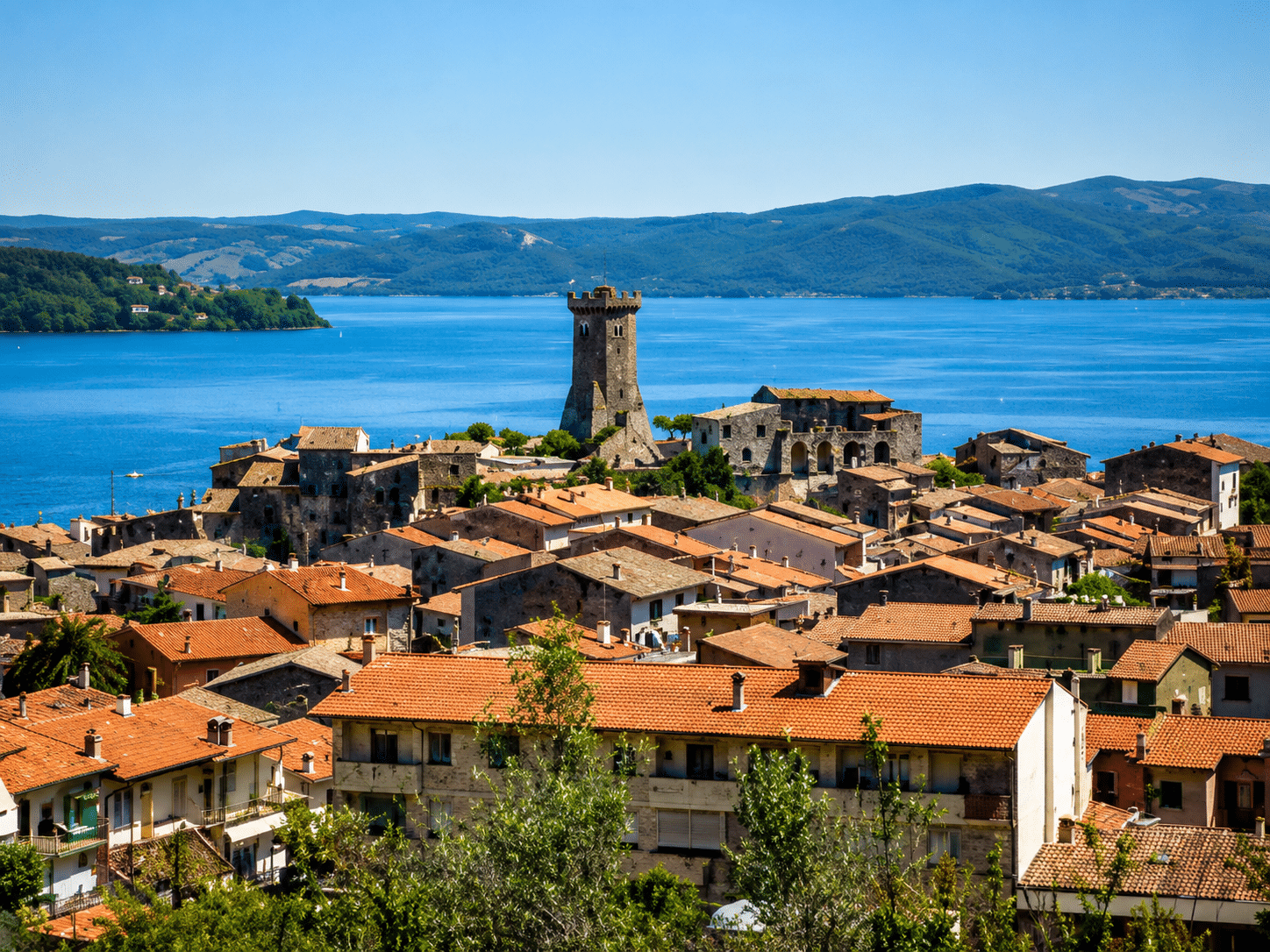
Near the city, Tuscia offers charming villages such as Tuscania, Vitorchiano, Civita di Bagnoregio, Calcata, Bassano in Teverina, Bomarzo, Orte, Marta, and San Martino al Cimino. These are perfect places to stroll through cobblestone alleys, enjoy evocative views, historic architecture, and local traditions.
SACRED ART AND DEVOTION
Places of faith
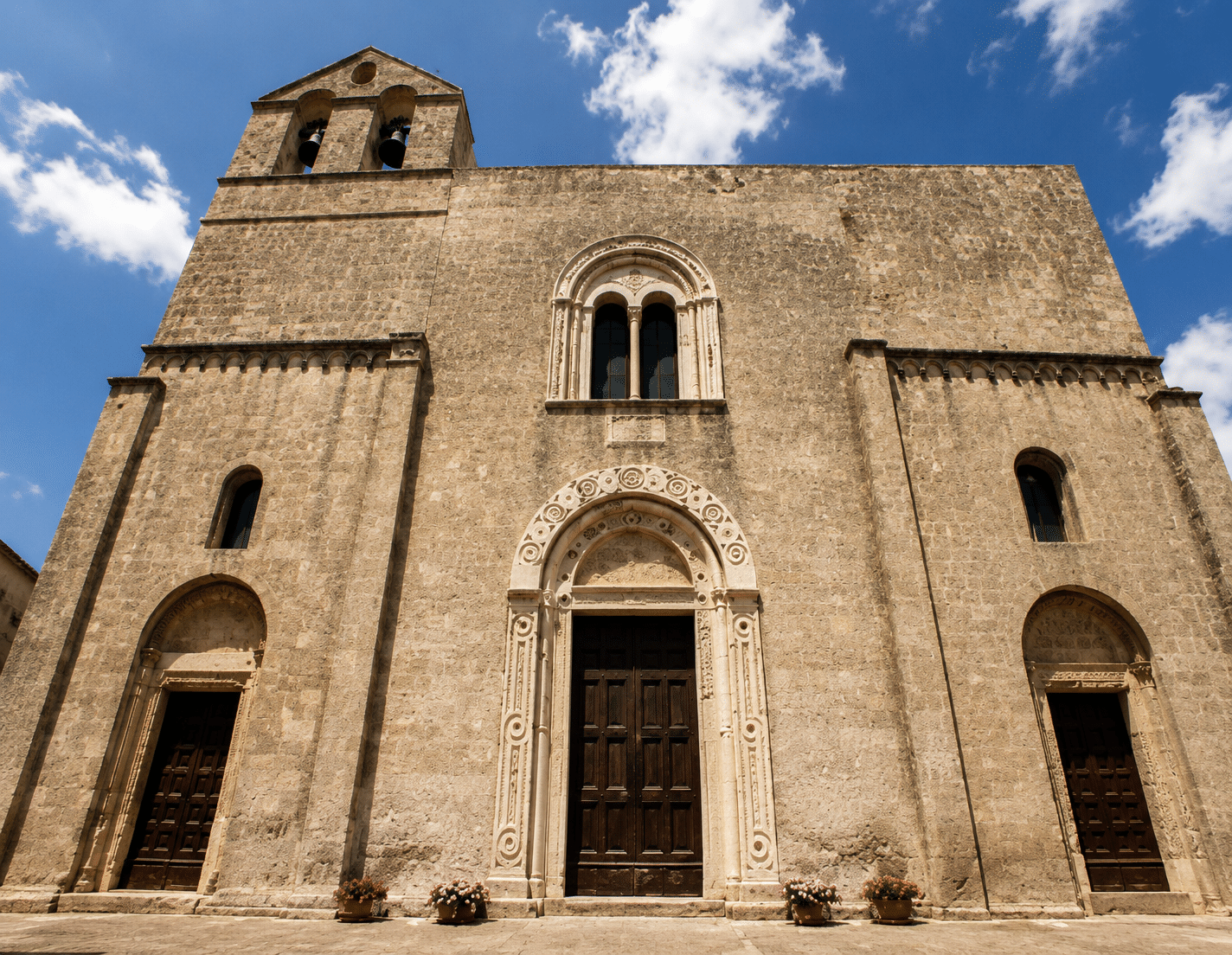
Tuscia is home to churches, sanctuaries, and places of worship of great historical and artistic value. From the Romanesque churches of Tuscania, such as San Pietro and Santa Maria Maggiore, to the Abbey of San Martino al Cimino and the Sanctuary of the Madonna della Quercia, each stop demonstrates a profound connection between art, spirituality, and the region.
In Viterbo and the surrounding villages, you'll find places associated with highly venerated figures, such as Santa Rosa, Santa Cristina, San Bonaventura, and the Holy Sepulchre of Acquapendente. A fascinating itinerary to discover the most spiritual and historical aspects of the province of Viterbo.
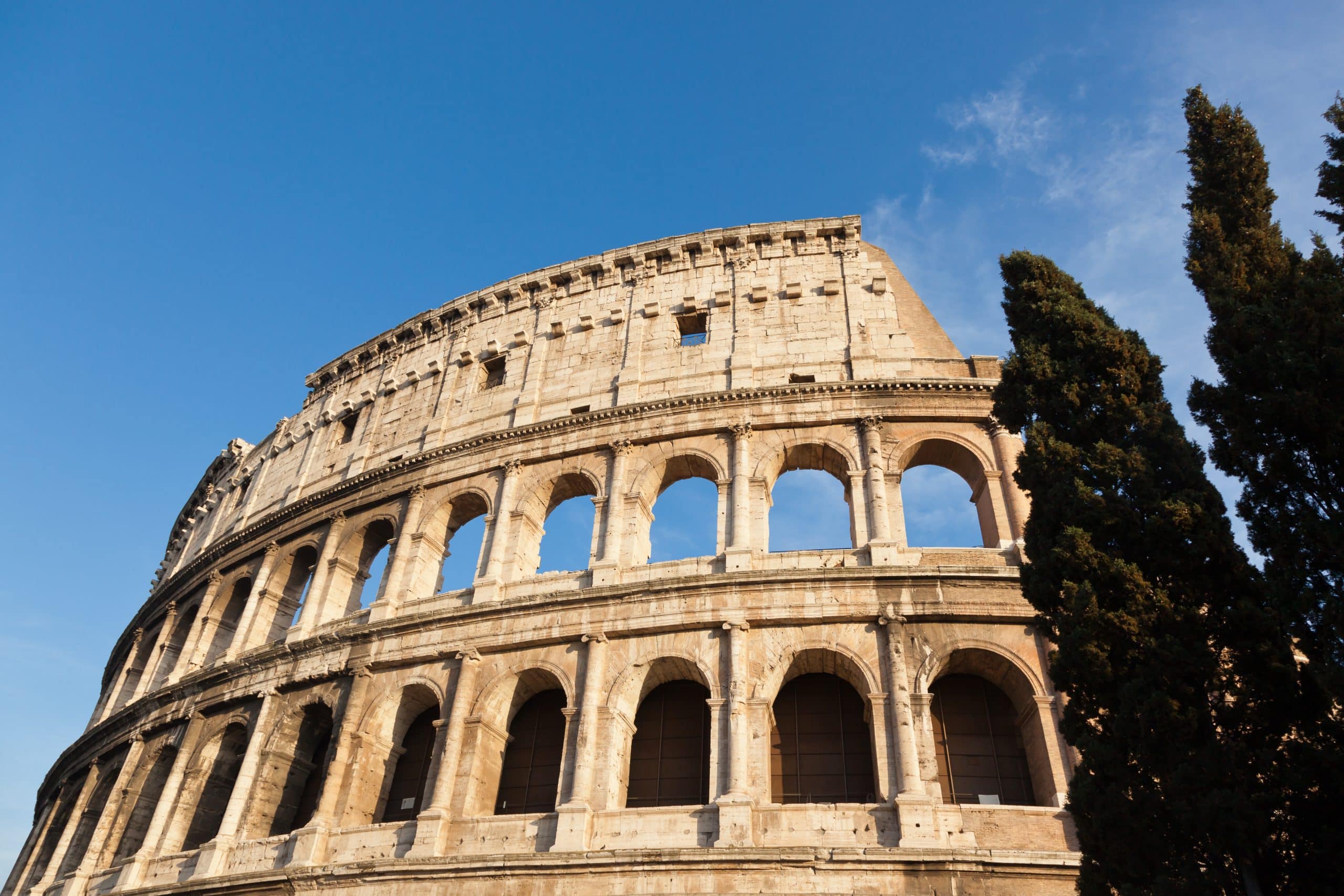
how to reach rome
Visiting Rome from Viterbo: How to Get There by Train
Visiting the Eternal City from the Mini Palace Hotel is convenient and affordable: thanks to frequent direct connections on the FL3 train line (from Viterbo to Rome Valle Aurelia/Ostiense), you can reach the heart of the capital by train and avoid traffic and restricted traffic zones. Choosing Viterbo as your base allows you to combine the tranquility of Tuscia with significant savings on accommodation costs compared to central Rome, while also enjoying 4-star amenities and convenient on-site parking.
DISCOVER THE MINI PALACE HOTEL
Complete your stay in Viterbo
After discovering the most beautiful itineraries in Tuscia, let yourself be welcomed by the Mini Palace Hotel: comfortable rooms, breakfast included, an on-site bar, and services designed to make your stay simple and pleasant, just minutes from the historic center of Viterbo.